
Grease Lubricant
Author ; Junya Takai
Greases are solid or semi-solid lubricants produced by mixing base oils with thickeners and additives that reduce mechanical friction and wear in machinery. When parts are in motion, grease releases oil and flows to provide lubrication. When at rest, the sponge-like thickener matrix resolidifies and holds the grease in place.
Lubricating greases are used in components where oils would flow out of position, and their formulations are tailored to applications including the automotive, manufacturing, mining, construction, and agricultural industries.

Grease vs. Oil: What is the Difference?
Greases are base oils modified with thickeners and oil additives. Unlike liquid lubricating oils, greases are solids or semi-solids that adhere strongly to surfaces even under motion and vibration, promoting their retention on moving parts that need long-term lubrication. Greases also offer more additive flexibility than oils, allowing formulators to fine-tune their performance properties.
Greases have adjustable properties, help seal components against contaminants, and stick in place where they are needed. As a result, they are often chosen for applications where lubricating oils cannot stay in place and retention is crucial, such as infrequently used machinery and parts where regular relubrication is impractical. Oils, on the other hand, are often preferred in high-speed applications, where flow and heat removal are especially important.
Composition of Grease Lubricants
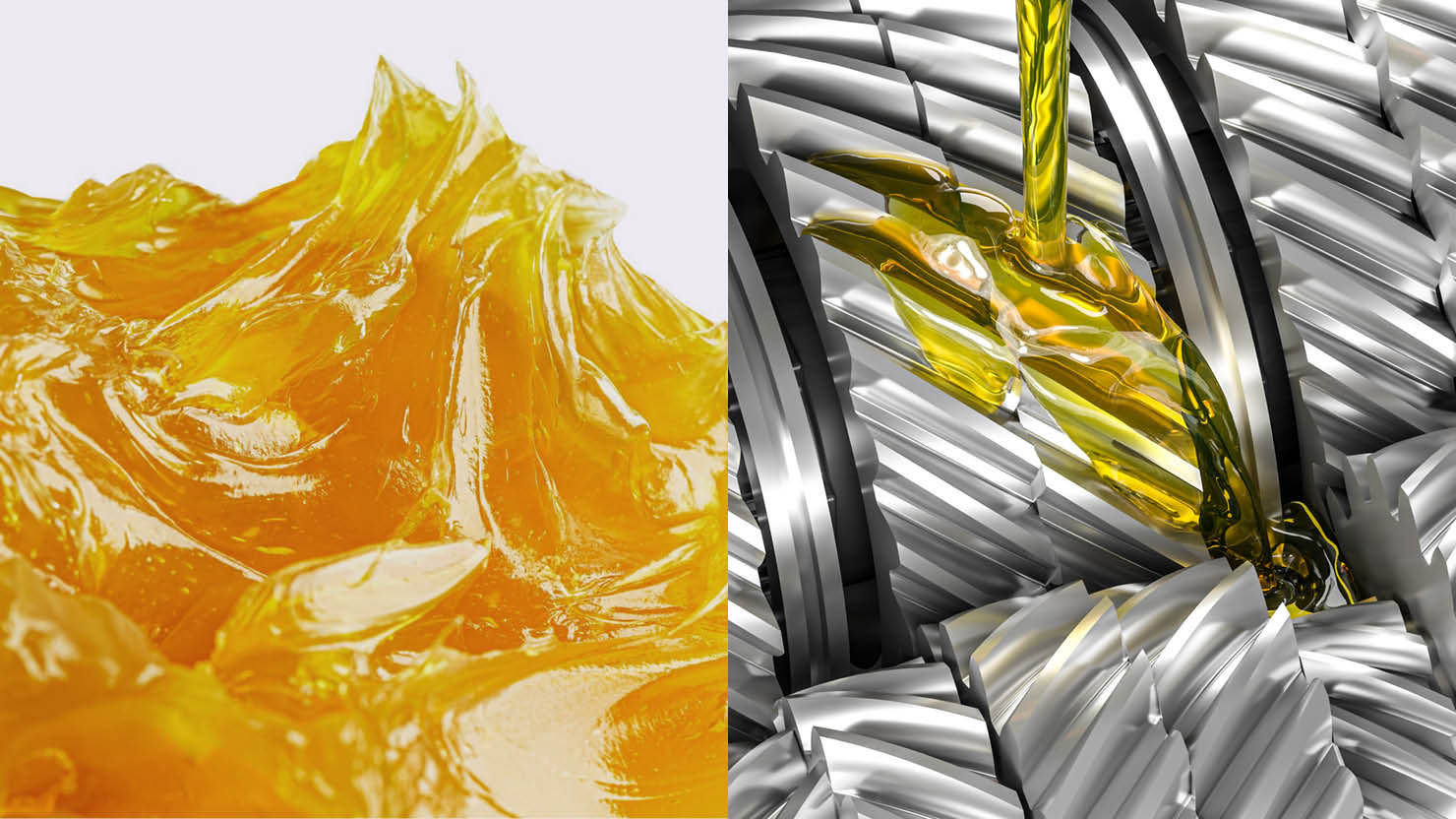
In addition to the thickener used to modify lubricating oil into a solid or semi-solid grease, oil modification through additives is often used to enhance the final properties of the product.
Lubricating Oil (commonly 75-90%)
A lubricating oil forms the fluid base of the grease, reducing friction between surfaces and preventing wear and tear. When shear force is applied to the grease, its viscosity drops to approach that of the base oil. Lubricating oils also influence key properties such as operating temperature, so they are chosen based on the requirements of the application.
Thickener (5-25%)
Thickeners are suspended in or emulsified with the lubricating oil to provide a sponge-like structure and solid consistency. Although soaps are the most common type of thickener, powdered solids may be used to achieve greater durability or other desirable properties. Beyond structure and viscosity, thickeners influence the heat resistance, water resistance, and chemical resistance of the grease.
Additives (0-10%)
In addition to lubricating oil and thickener properties, oil additives offer significant enhancements and are a key lever in tailoring grease performance. Common oil additives, such as viscosity modifiers, may be used to improve viscosity stability, oil retention, anti-wear capability, extreme pressure performance, corrosion resistance, and oxidation resistance.

How Grease Works
In a grease, a thickener is emulsified with or suspended in the base oil to give it a sponge-like solid structure with high initial viscosity. When shear forces are applied to the grease—such as when two greased parts begin to slide against each other—the matrix formed by the thickener particles is forced apart. This phenomenon, known as shear thinning, lowers the grease’s viscosity and returns it to an oil-like viscosity that flows to provide lubrication.
Once the shear force is removed, the thickener particles reaggregate, reforming the sponge-like structure and returning the grease to its original solid state. Shear thinning enables greases to flow when lubrication is required, then revert to a sticky solid that adheres to the greased parts to prevent any loss of lubricant.
Greases may reduce wear and friction, prevent corrosion, resist water washout, act as a sealant, and handle the extreme pressure of heavy loads without losing lubrication.

Types of Grease and Their Uses
Greases are generally classified by type of thickener, which impacts viscosity, temperature resistance, water resistance, wear resistance, and chemical stability.
Lithium Grease
Lithium greases are a popular option based on lithium stearate. They are highly durable, viscous, and stable, providing protection against wear, oxidation, and corrosion at high temperatures. Because of their acceptable water resistance and performance under pressure, they are suitable for applications ranging from industrial machinery to household use.

Lithium Complex Grease
In these products, lithium stearate is mixed with a complexing agent (such as azelaic acid or adipic acid) to produce a grease with enhanced heat and pressure resistance. Although they are more costly, lithium complex greases maintain better shear stability, water resistance, and oil separation resistance than lithium grease at far higher temperatures. Alongside lithium grease, they are the most popular multipurpose grease available.
Calcium Grease
These simple formulations based on calcium stearate were some of the first available greases. Calcium greases offer good mechanical stability, water resistance, and corrosion protection, but are not suitable for use at high temperatures. They remain a popular general-purpose grease in low-performance home, automotive, industrial, marine, and agricultural applications.
Calcium Sulfonate (or Calcium Complex / Sulfonate) Grease
This high-growth category of grease is preferred when superior pressure resistance, water resistance, and corrosion resistance are required. Calcium complex greases also withstand higher temperatures, comparable to lithium complex greases. The durability and longevity of calcium complex greases drive their use in heavy industrial and marine applications.
Aluminum Complex Grease
Aluminum complex greases maintain good shear stability and corrosion resistance, even at extremely high temperatures. Like calcium and calcium complex greases, they also offer superior water resistance. Aluminum complex greases are commonly used in food and beverage industrial machinery, as well as automotive, steel milling, and farming applications.

Barium Complex Grease
Barium complex grease is a high-performance option that sees use primarily in specialized applications due to regulatory and environmental concerns. It provides high temperature, water, oxidation, and chemical resistance under heavy loads and high speeds. As a high-performance grease, it is used in demanding applications including the industrial, aerospace, and marine industries.
Bentonite (Clay) Grease
Because bentonite grease is thickened with absorbent bentonite clay, it is set apart from soap-based greases in that it has no drop point—even at high temperatures, it will not melt and flow. It also offers great shear stability, water resistance, wear resistance, and adhesion. These properties combined make bentonite grease an ideal choice for high-temperature, high-wear applications, such as steel milling, manufacturing, mining, and ceramics.
Polyurea Grease
This premium grease is based on polyurea rather than traditional metal soaps. As a result, it offers an unparalleled combination of excellent heat resistance, water resistance, oxidation resistance, corrosion prevention, mechanical stability, and long-term durability. Because of its high cost and excellent properties, polyurea grease is used mainly in products such as electric motors and heavy-duty equipment that must operate over extended periods under harsh conditions without relubrication.
Sodium Grease
Although sodium grease is resistant to high temperatures and provides good lubrication, it has generally poor water and oxidation resistance. As a result, it is used today only in specific high-temperature, low-speed applications or as a component in mixed-thickener grease formulations.
Other Greases
A variety of other grease formulations have been developed to meet the needs of specialty applications, including:
Silicone grease: Consists of silicone oil and a thickener. This dielectric grease is used as a lubricant for rubber parts in plumbing, dentistry, SCUBA diving, electrical utilities, and chemical laboratories. It is also used as an insulator and protective sealant in some electronics.
PTFE grease: An extremely durable, lubricative, and flexible grease type used in high-performance environments that require chemical inertness.
Food-grade greases: Consists of a food-safe lubricant base oil and thickener, for use in industrial food processing and packaging equipment.
Water-based grease analogs: For applications in which non-toxic, non-oil-based materials require grease-like properties, water-based solutions can be thickened to form grease analogs.

Looking to enhance your grease formulation?
SEPTON™ combines excellent oil retention, efficient thickening, and consistent low-temperature performance. Get in touch with our team to learn more about our viscosity modifiers for cost-effective and performant greases.
Factors to Consider When Choosing the Right Grease for Your Needs
When choosing a grease, consider how the properties conferred by the base oil, thickener, and oil additives will align with the properties required by your application.
Base Oil
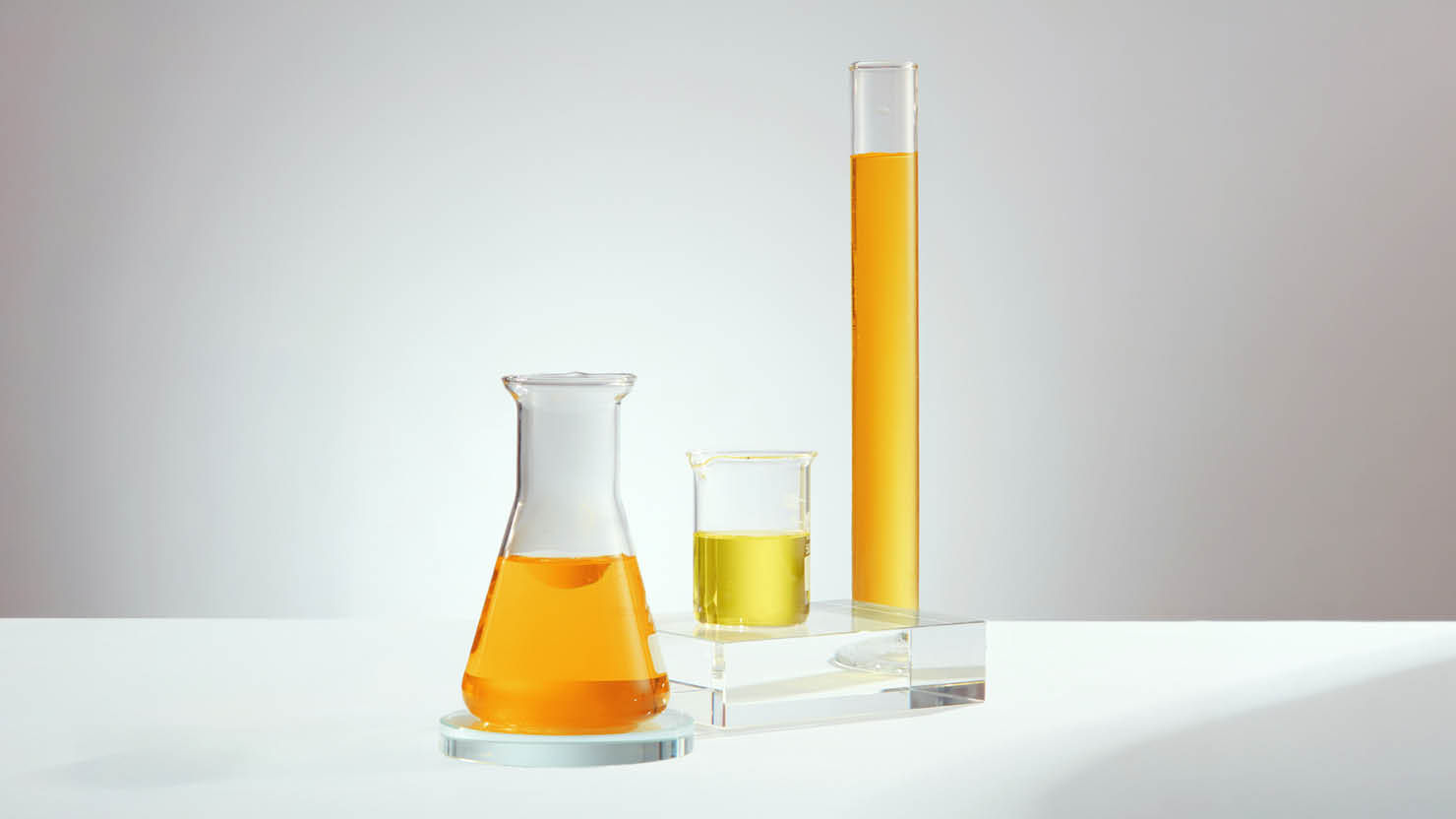
The base oil determines the viscosity and lubricating ability of the grease in use. Base oils are generally classified as mineral, synthetic, or vegetable. Mineral oils are a less expensive option better suited to short-term use, while synthetic oils are the standard for durable, heat-resistant lubricity with good shear stability. Vegetable oils have comparatively poor material properties and longevity, but are ideal for non-toxic, eco-friendly, or food-safe grease formulations.
Thickener
Thickeners include metal soaps, metal soap complexes or mixtures, and non-soap thickeners such as bentonite clay and polyurea. Consider your needs in compatibility, shear stability, longevity, viscosity, heat resistance, water resistance, and chemical resistance when selecting a thickener.
Additives
Oil additives are a crucial component of grease formulation, allowing manufacturers to specialize, enhance performance, and address potential weaknesses of the base combination of oil and thickener. Common additives protect against corrosion and oxidation, increase adhesion, or act as viscosity modifiers. Other additives may protect against wear under extreme pressure (graphite and molybdenum disulfide), act as release agents (copper or ceramic powder), or preserve oil retention to increase longevity and performance (Kuraray’s SEPTON™). When considering a grease for parts with extremely tight tolerances, like bearings, avoid solid additives such as graphite and ceramic powder.

Kuraray’s grease and oil additives support optimized, cost-effective performance
Learn more about how SEPTON™ and KURARAY LIQUID RUBBER can enhance your grease and oil formulations by reaching out through the contact form below.
Consistency
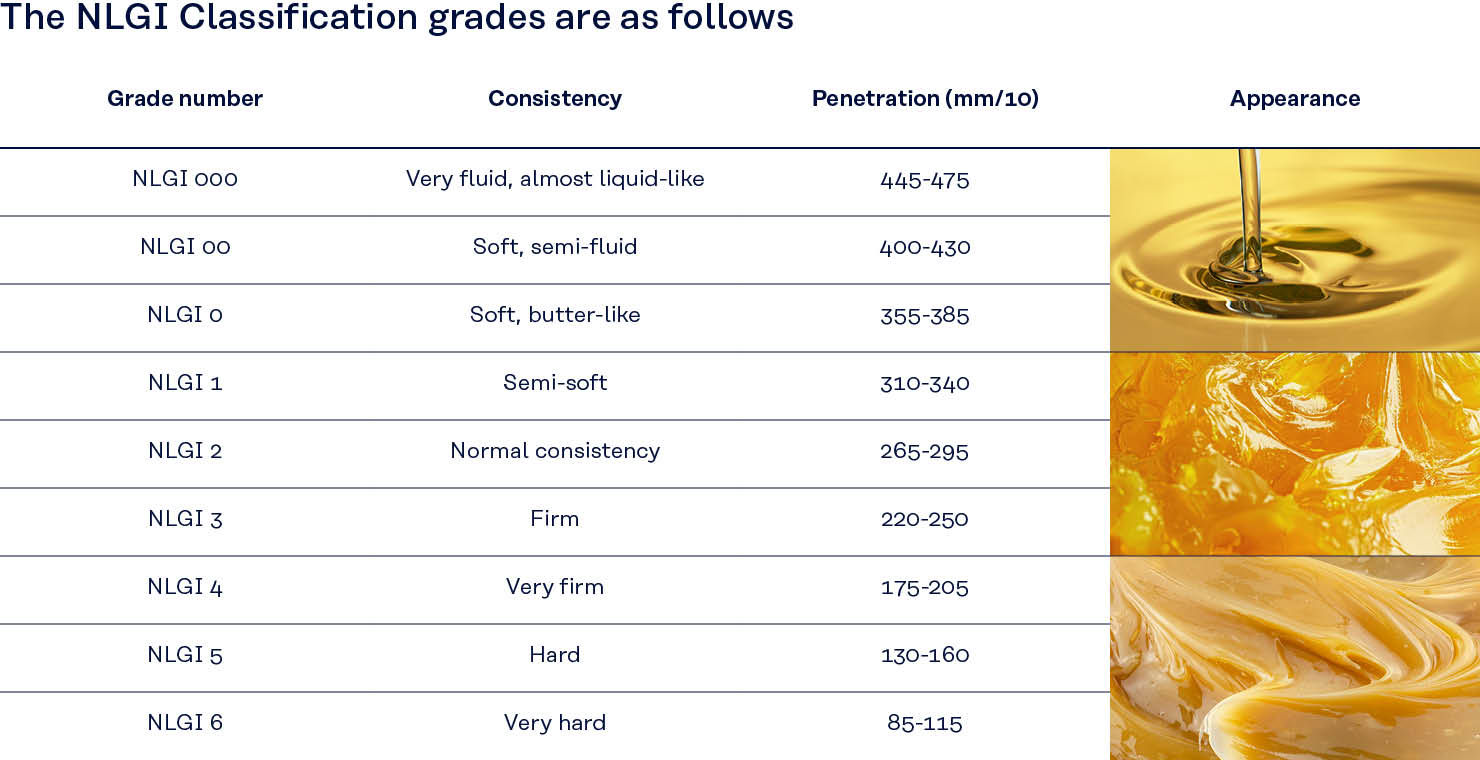
Consistency is a measure of the softness or hardness of grease prior to shear thinning. Consistency is an important consideration for reliable grease application, as the grease will need to be workable enough to fully spread over the areas to be lubricated, but cohesive enough to adhere to the surface once in place.
Greases are categorized according to their NLGI consistency, from 000 to 6. NLGI 000 to 1 greases range from nearly fluid to semi-soft, while NLGI 3 to 6 greases range from firm to very hard. The majority of options on the market, however, are NLGI 2 greases of an intermediate consistency.
Softer grades are used in parts such as gears and transmissions, middling grades are used in rolling parts and bearings, and harder grades are used predominantly as sealing greases.
Measuring Consistency: Penetrability
The consistency of a grease is measured through its penetrability using the standardized ASTM D217 testing method. In this test, a penetrometer is dropped onto the grease surface for exactly 5 seconds, then is removed. The depth of penetration is recorded and used to determine NLGI consistency. Typically, the grease is first tested in its unworked state. It is then tested after being mechanically aged in a grease worker or kneading machine to simulate its consistency after extended use.
Grease Drop Point
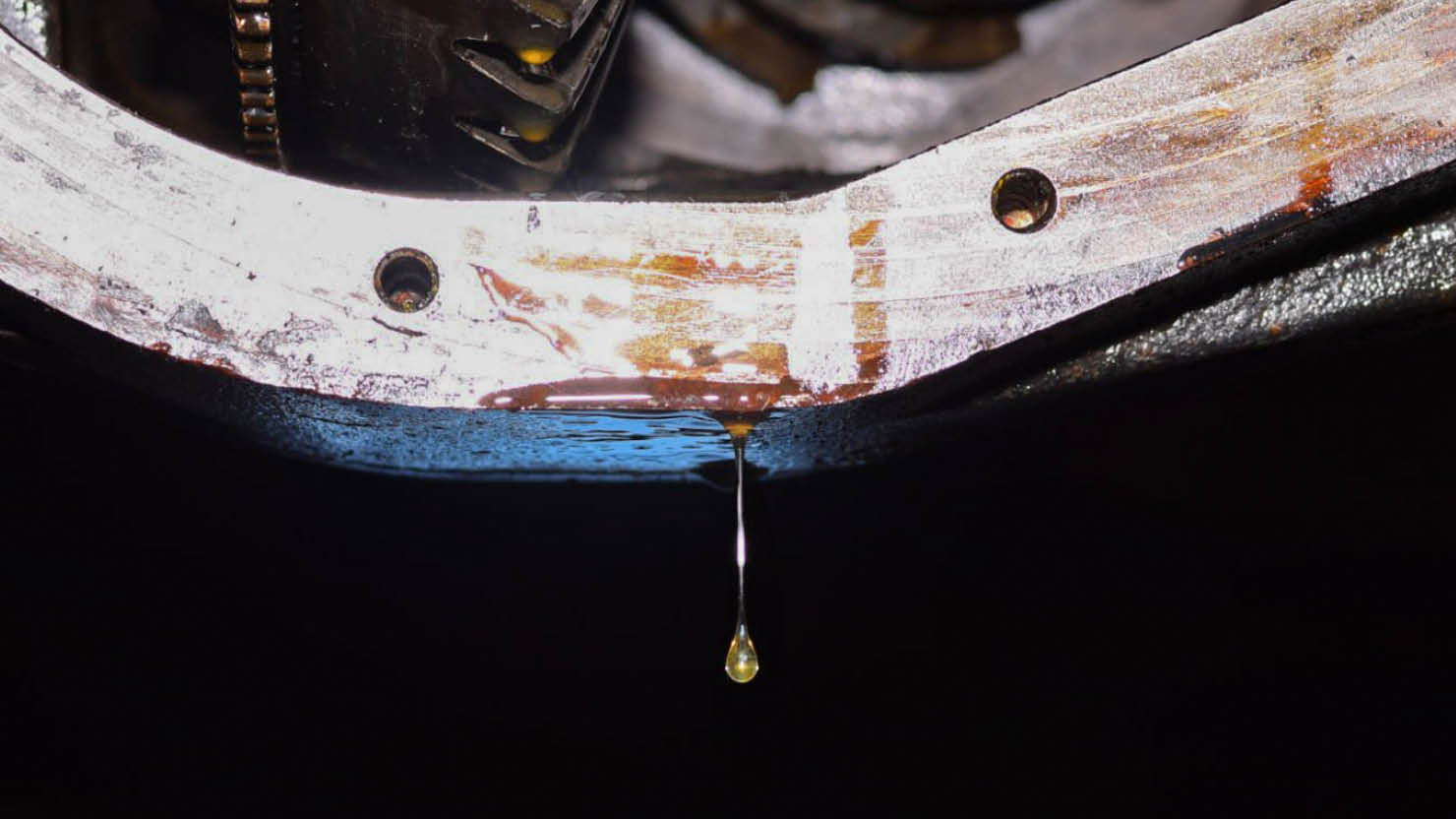
At a certain temperature, most greases will lose their semi-solid structure and become fully fluid, compromising their ability to adhere to areas in need of lubrication. This temperature is known as the grease’s drop point. As a precautionary measure, most greases are recommended for use at temperatures no higher than 50°C below their drop point.
A grease’s drop point is determined through standardized ASTM D566 / D2265 testing. In ASTM D566 (drop points up to 250°C), a test cup of grease is heated in a high-temperature oil bath until a drop of oil is produced from the grease. In ASTM D2265 testing (drop points up to 330°C), the sample is instead heated in an aluminum block in an oven.
Lithium complex greases are the most popular type with a high drop point. More specialized greases with high drop points include calcium complex grease, aluminum complex grease, and barium complex grease. Bentone grease is unique in that it has no drop point, since it is not a metal soap-based grease.
dmN factor
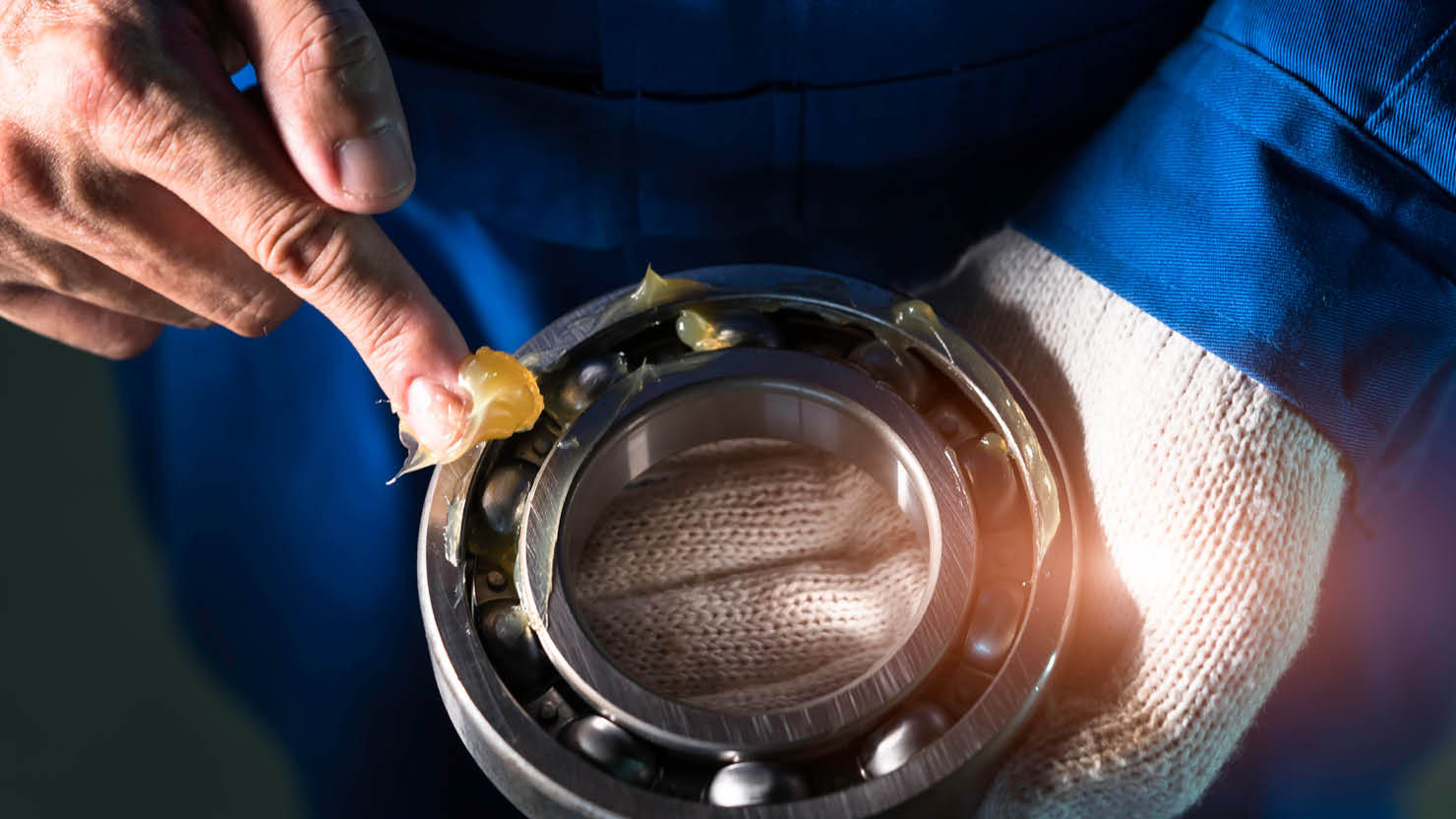
The dmN factor, also known as the DN or NDm factor, is used to select greases for high-speed bearing applications, since at these speeds, a grease’s ability to maintain lubrication may begin to fall. A ball bearing’s dmN factor is its mean diameter in millimeters (mm) multiplied by the bearing’s speed in revolutions per minute (RPM). This calculation may vary by bearing type. The dmN of a bearing can help to determine ideal grease viscosity.
Viscosity
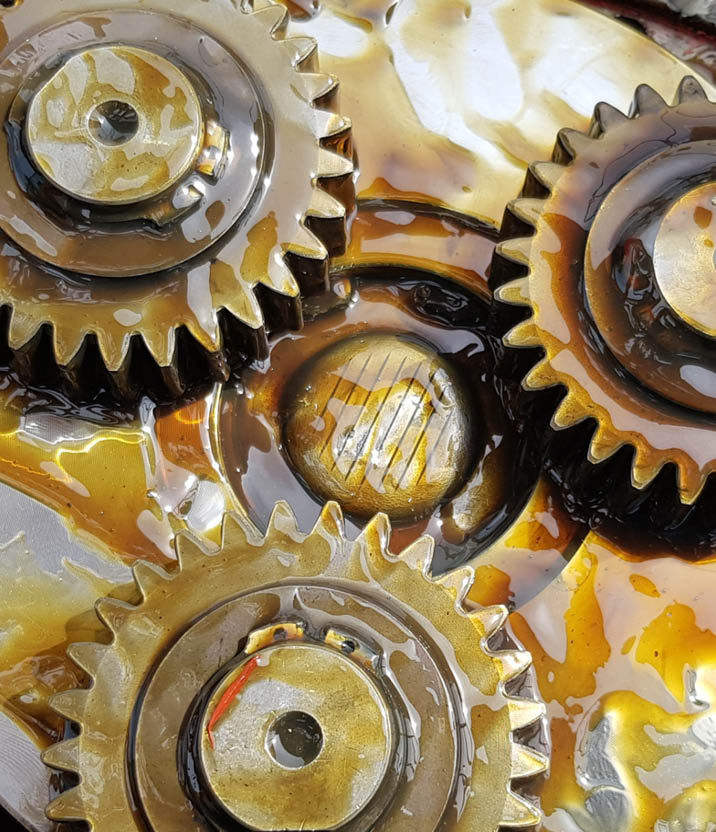
Consistency refers to the grease’s viscosity prior to shear thinning, while viscosity is used in reference to the base oil in the grease, and therefore, the properties it will exhibit while in use. High viscosity oils provide greater film strength for better stability under heavy loads and high temperatures. Low viscosity oils are better suited to high-speed applications and machinery that will need to remain lubricated at low temperatures. Oil modification through viscosity modifiers allows formulators to fine-tune the viscosity of a grease.
Other Properties
As you choose the right grease for your application, you may also consider:
Water and chemical resistance: Machinery operating in wet or humid environments will require a water-resistant grease for long-lasting protection. Industrial and construction machinery that will be exposed to oils, chemicals, or solvents may require grease with good chemical resistance.
Mechanical stability: For long-lasting greases that will be under sustained load, shear, or vibration, prioritize mechanical stability to maintain oil retention and lubrication.
Grease compatibility: When changing to a new grease or otherwise mixing greases, check to ensure that the greases will be able to mix compatibly.
Cost: While some expensive high-performance greases combine many desirable characteristics, lower-cost formulations may perform just as well in certain applications with the right additives.
Applications
Greases are used in any application requiring consistent lubrication at a friction point without regular relubrication. This includes industries such as:
Automotive: In vehicles, grease lubricates wheel bearings, motor bearings, ball joints, U-joints, chassis components, actuators, and more.
Rail and Marine: Grease lubricants are used not just in onboard machinery and motors that demand longevity and water and heat resistance, but on rails themselves to reduce friction and noise.
Industrial Manufacturing: Industrial manufacturing applications, including steel mills, conveyor belts, fans, pumps, and presses, rely on greases to operate at high temperatures and speeds.
Mining, Construction, and Agriculture: Heavy machinery used in mining, ore processing, industrial construction, and farming must be lubricated with high-performance grease to survive demanding operating conditions.
Home Appliances and Electronics: Motors, bearings, and fans in electronics rely on grease for long-term lubrication, including personal computers, smartphones, air conditioners, fans, copiers, power tools, and household appliances.



Kuraray’s Additives for Grease Formulation
For cost-effective grease formulation and oil modification that delivers high-performance results, Kuraray offers KURARAY LIQUID RUBBER and SEPTON™ as additives for viscosity modification.
KURARAY LIQUID RUBBER
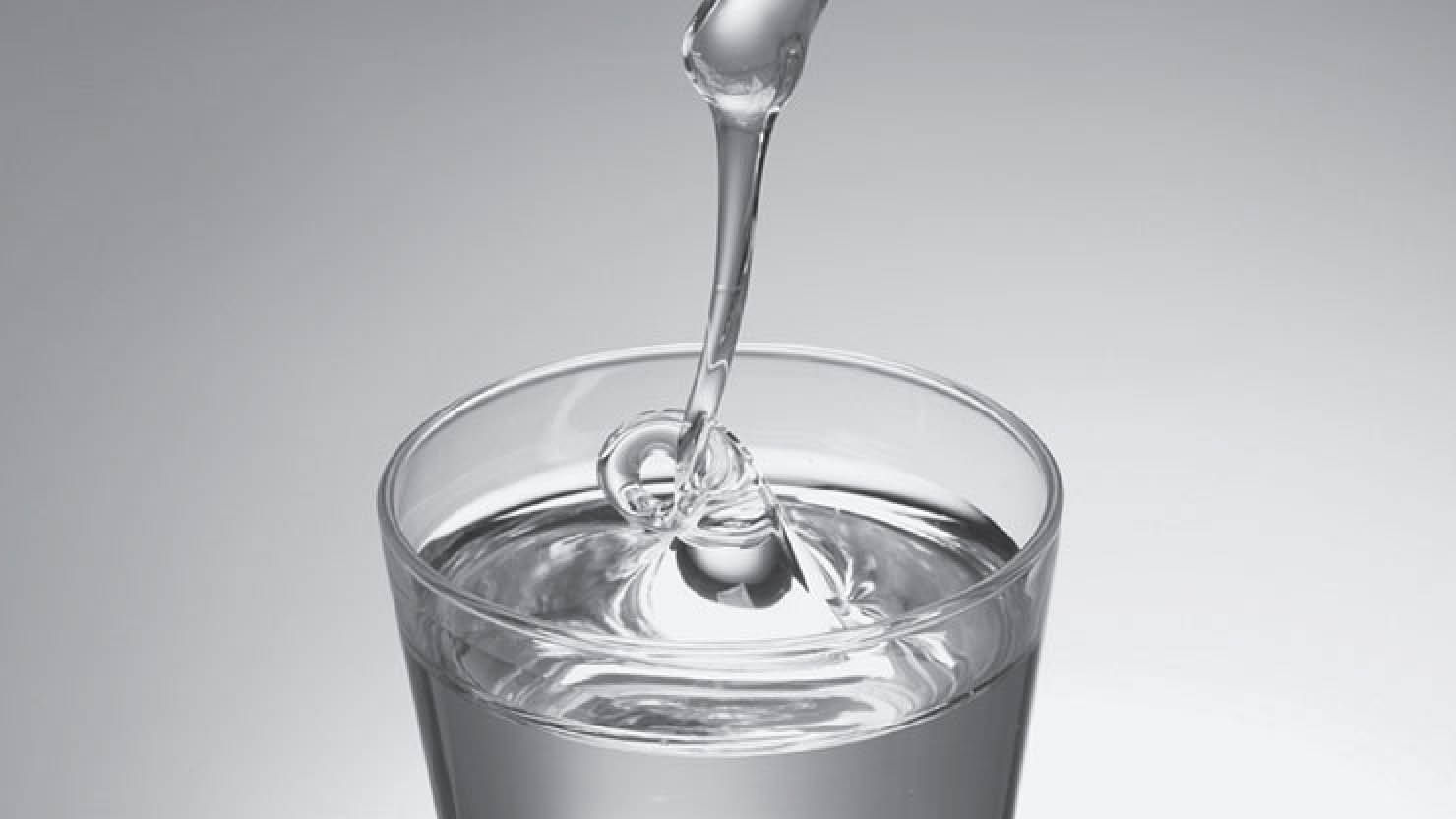
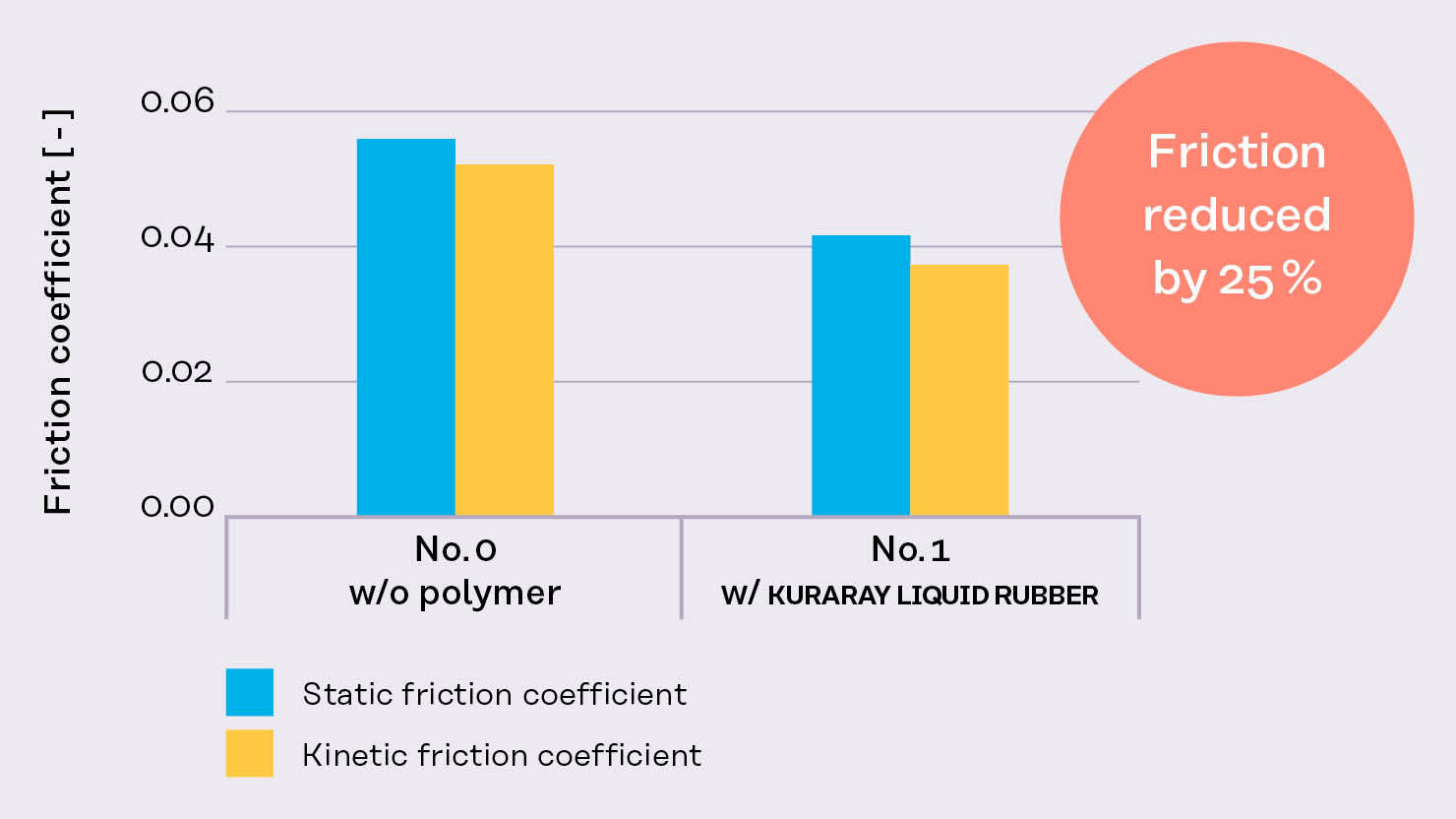
KURARAY LIQUID RUBBER serves as grease modifier and friction reducer with excellent thickening efficiency and low-temperature properties. When blended with various types of grease, KURARAY LIQUID RUBBER improves the static and kinetic coefficient of frictions by up to 25%. KURARAY LIQUID RUBBER’s reduced friction and low-temperature performance make it suited to a variety of applications, including metal-to-resin greases.
Features & benefits
- Effective friction reducer in various types of grease
- Excellent oil solubility and easy blending to grease
- Excellent thickening efficiency
- Low VOC content
- Colorless and transparent
SEPTON™
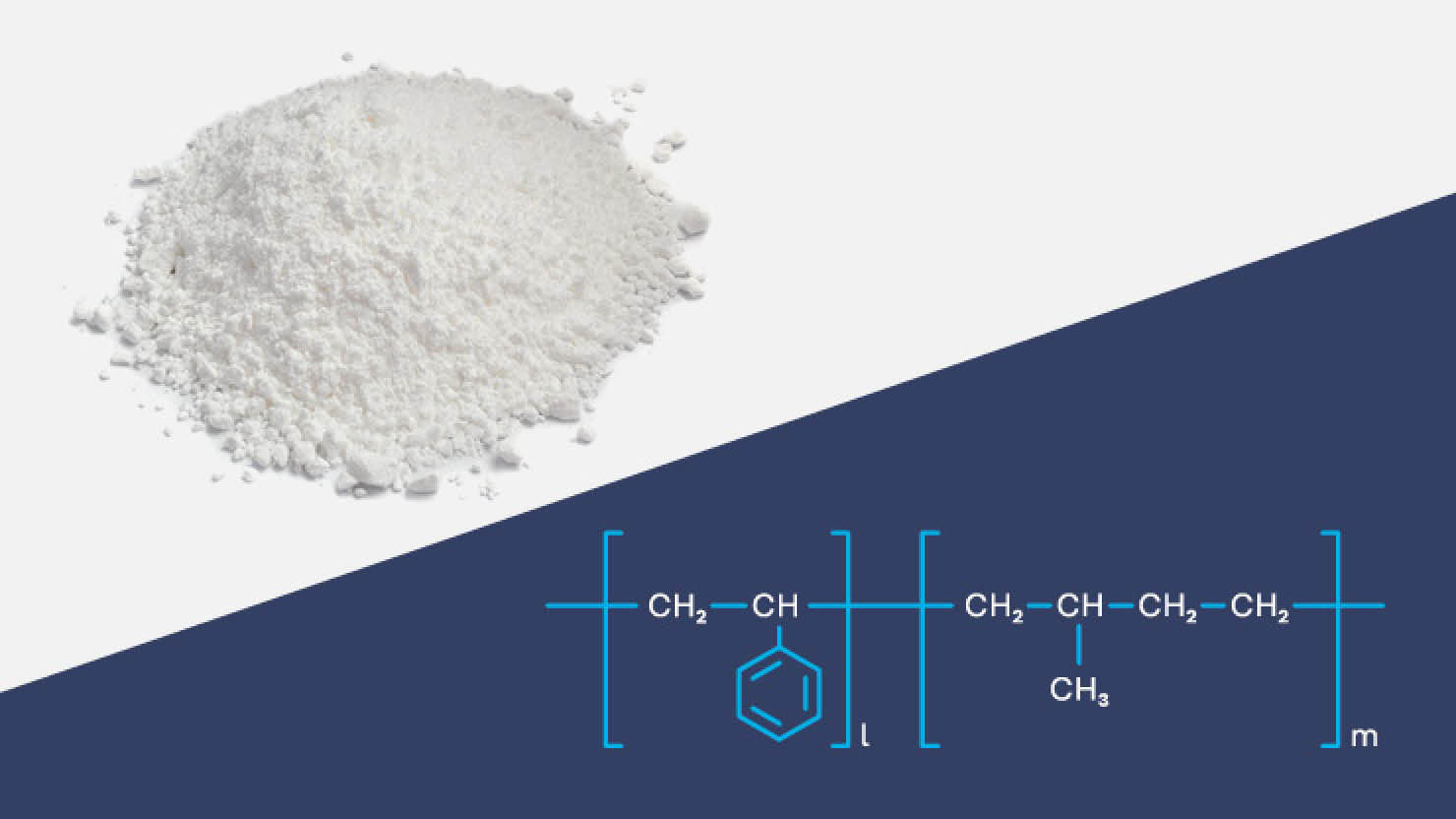
SEPTON™, Kuraray’s high-performance hydrogenated styrenic block copolymer, is an ideal oil additive for enhanced grease formulation with proven performance in lithium grease.
SEPTON™ acts as a highly efficient and cost-effective viscosity modifier, adjusting grease viscosity while maintaining excellent performance at low temperatures and improving oil retention. SEPTON™ can be formulated with all major grease thickeners, including lithium, lithium complex, calcium, calcium sulfonate complex, and polyurea.
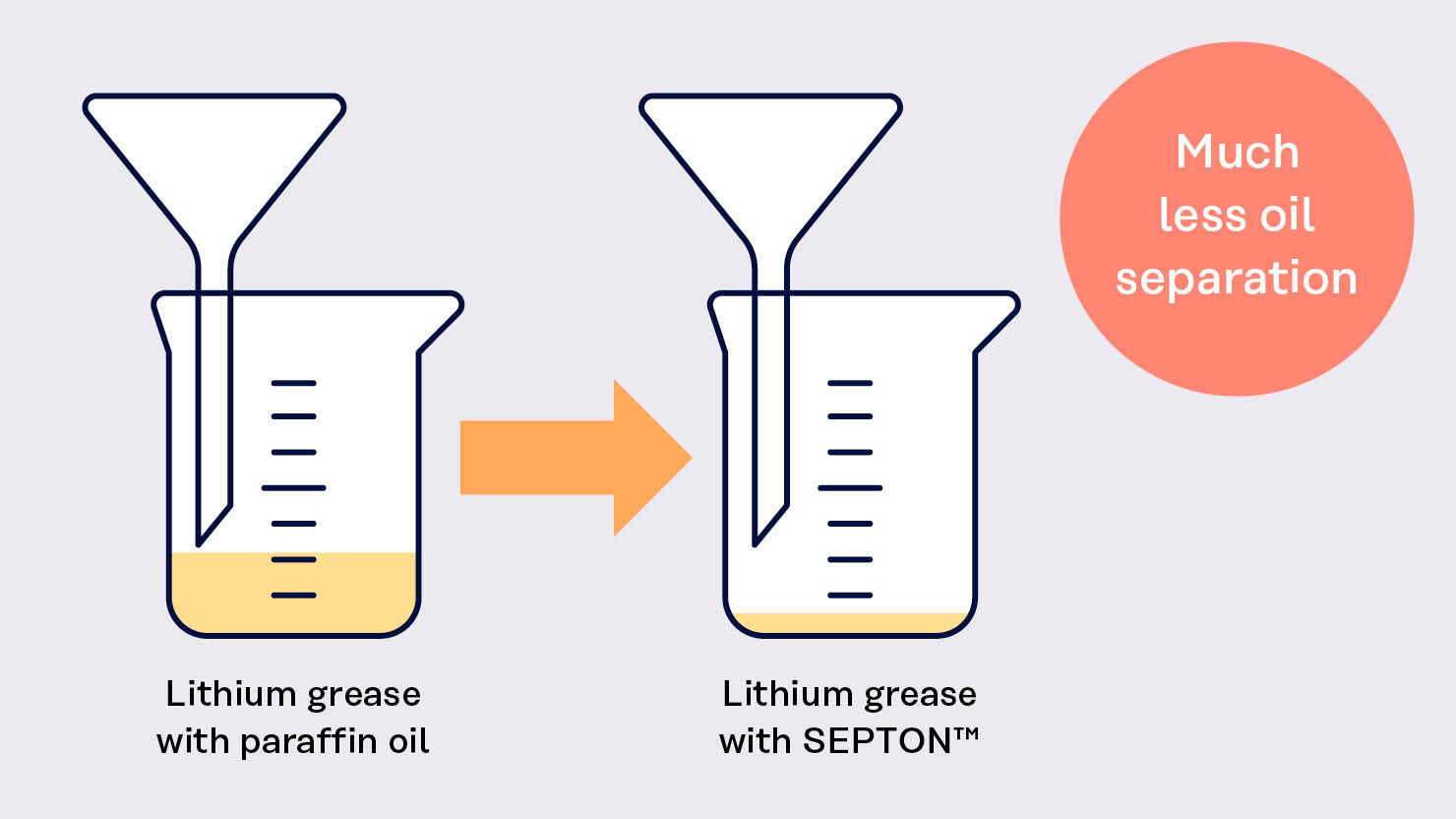
In lithium greases formulated with paraffin oil, which typically suffers from oil separation, SEPTON™ dramatically improves oil retention for stable strength over time. Lithium grease formulations that incorporate SEPTON™ can reduce their oil separation from 15% down to just 0.7%, supporting stable physical properties over time while replacing a proportion of the base lithium hydroxide. By adding SEPTON™ to lithium grease, formulators reduce increasingly costly lithium content while simultaneously enhancing performance.
Features & Benefits
- Increased oil retention
- Improved long-term reliability
- Excellent low-temperature performance
- High thickening efficiency
- Lowers costly lithium use in lithum greases
- Can be formulated with all major grease thickeners
- Wide compatibility with mineral and synthetic oils
- Non-toxic and recyclable
Conclusion
Greases are essential in high-performance applications that require longevity and consistent lubrication. They protect machinery by reducing wear and friction, preventing corrosion, and acting as a water-resistant sealant.
