
What are styrenic block copolymers?
Author ; Robin Conrad
Styrenic block copolymers (SBCs) are widely used polymers from the family of thermoplastic elastomers (TPEs). TPEs are materials with rubber-like elasticity and excellent processability of a thermoplastic material.
SBCs are used as a base polymer for TPE compounds referred to as TPS (Thermoplastic Styrenic Elastomers). These should not be confused with Thermoplastic Starch (also abbreviated as TPS).
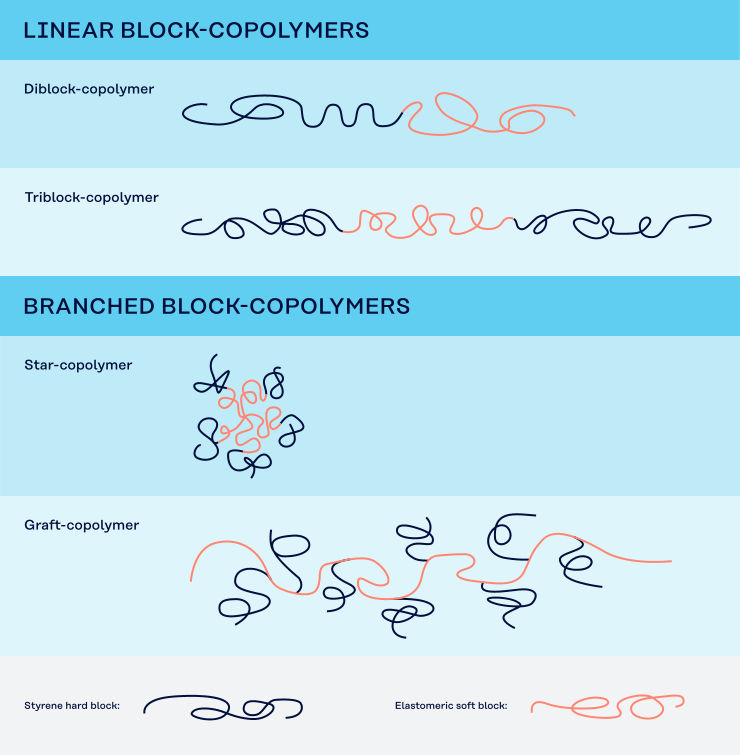
In terms of molecular structure, SBCs commonly consist of two hard thermoplastic polystyrene end-blocks and a soft, elastomeric mid-block. However, there are various possible block configurations:
- Diblock (polystyrene block – elastomeric block)
- Linear triblock (polystyrene block – elastomeric block – polystyrene block)
- Diverse branched configurations, such as a radial structure
Properties
This table compares the properties of SBCs to those of other types of TPEs.
| Properties/Materials | TPS | TPO | TPVC | TPU | TPC | TPA |
|---|---|---|---|---|---|---|
Shore Hardness | 30A 〜 70A | 60A 〜 95A | 40A 〜 70A | 80A 〜 80D | 90A 〜 70D | 40D 〜 65D |
Tensile strength (MPa) | 9.8 〜 34.3 | 2.9 〜 18.6 | 9.8 〜 19.6 | 29.4 〜 49 | 25.5 〜 39.2 | 11.8 〜 34.3 |
Elongation (%) | 500 〜 1,200 | 200 〜 600 | 400 〜 500 | 300 〜 800 | 350 〜 450 | 200 〜 400 |
Rebound resilience (%) | 45 〜 75 | 40 〜 60 | 30 〜 70 | 30 〜 70 | 60 〜 70 | 60 〜 70 |
Density (g/cm³) | 0.91 〜 0.95 | 0.88 | 1.2 〜 1.3 | 1.1 〜 1.25 | 1.17 〜 1.25 | 1.01 |
Abrasion resistance | Fair | Poor | Fair | Excellent | Fair | Good |
Bending resistance at room temperature | Good | Fair | Good | Good | Excellent | Excellent |
Heat resistance | 〜 80°C | 〜 120°C | 〜 100°C | 〜 100°C | 〜 140°C | 〜 100°C |
Oil resistance | Poor | Fair | Good | Excellent | Excellent | Excellent |
Weather resistance | Poor - good | Good | Fair - good | Fair - good | Fair | Good |
Brittleness temperature | < -70°C | < -70°C | -50°C 〜 -30°C | < -70°C | < -70°C | < -70°C |
Applications | Footwear, | Automotive hoses / tubes, | Automotive, | Footwear, | Automobiles, | Sporting goods, |
Properties of SBCs compared to other types of TPEs | Source: Takemura, Y.: Nippon Gomu Kyokaishi, 83, 269-276 (2010). Partially revised.
Mechanical properties
The fundamental mechanical characteristics of SBCs are their rubber-like elastic properties combined with excellent softness. This makes them well-suited for soft-touch applications in various industries, such as sporting goods and footwear, consumer goods, mobility, electronics and medical applications. For a full list, see below.
For applications that require higher hardness and mechanical strength, other TPEs such as TPUs, TPCs and TPAs may be more suitable.
Density
SBCs are lower in density compared to TPUs, TPAs, TPCs and TPVCs, and comparable density with TPO and TPV.
Thermal properties
The heat resistance of SBCs is dependent on the chemical structure and glass transition temperature of the end-blocks. The maximum operation temperature is ~ 80℃. The brittleness temperature is the point at which the polymer transitions from a rubbery state into glass, which is much harder and more fragile. The low brittleness temperature of SBCs allows it to be used in low temperature applications requiring good impact and flexibility.
For observed scores, refer to the table above.
Molecular weight distribution
SBCs have a narrow molecular weight distribution compared to other TPEs, as TPS is produced by living anionic polymerization.
Processability
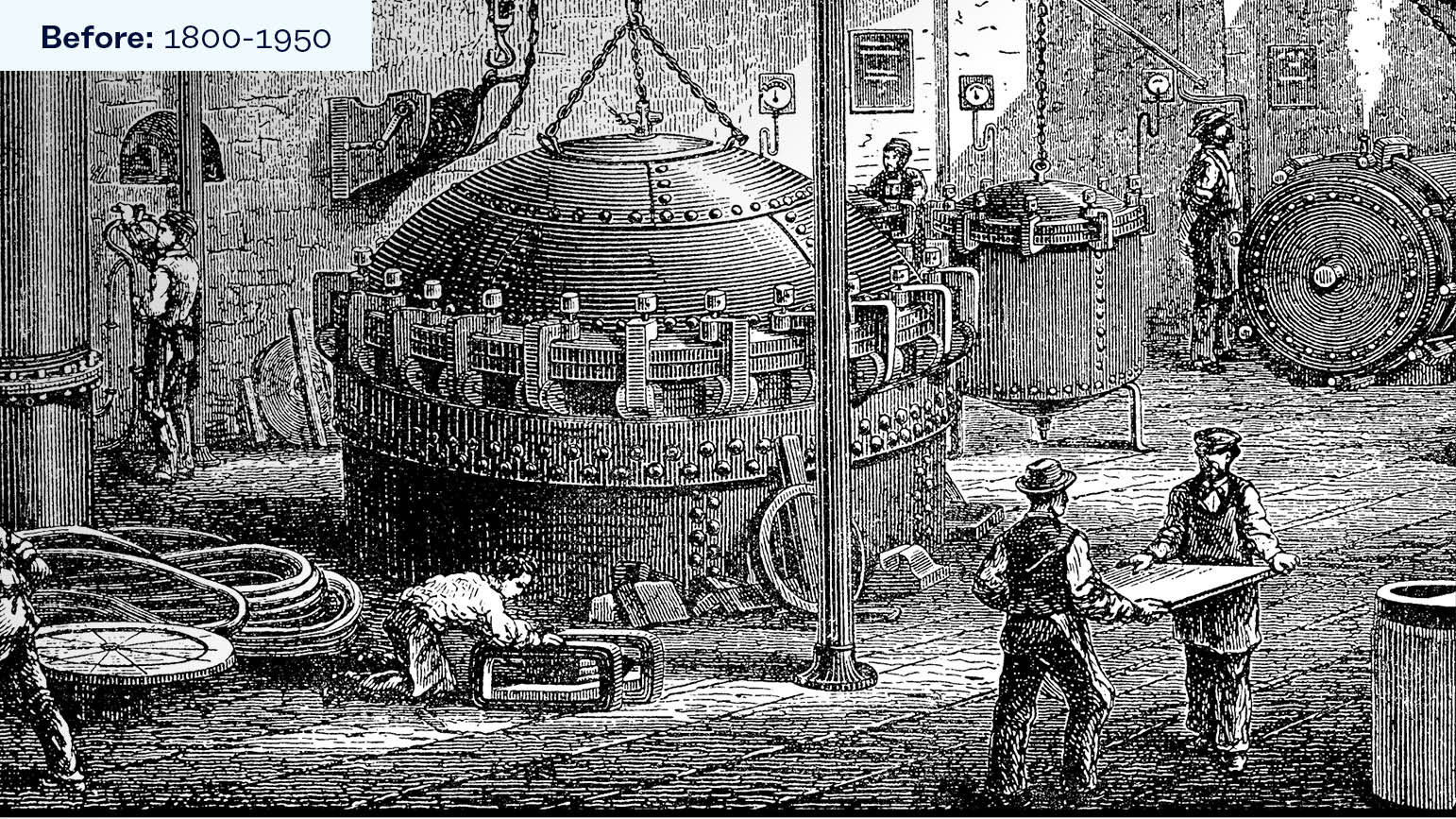
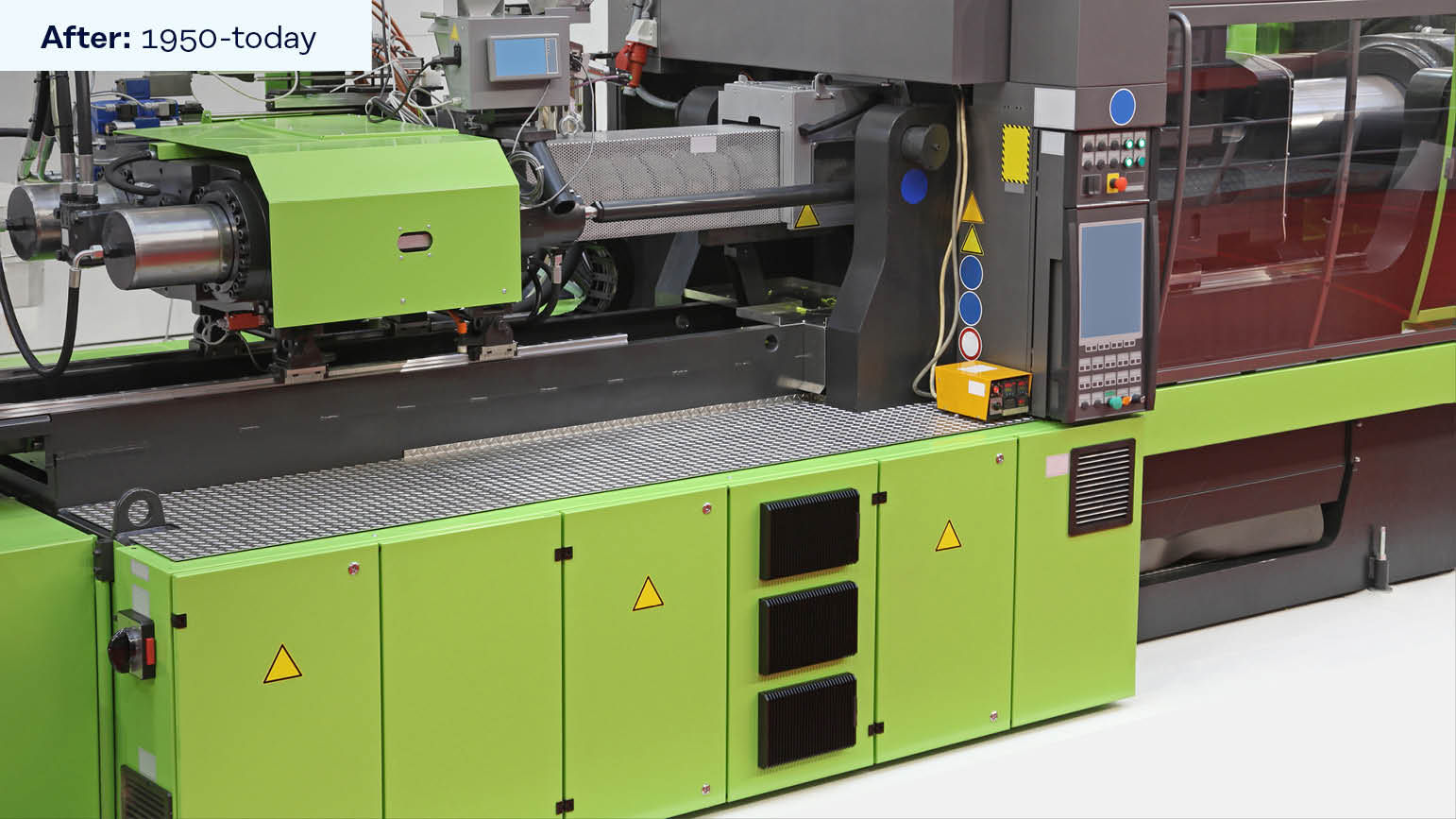
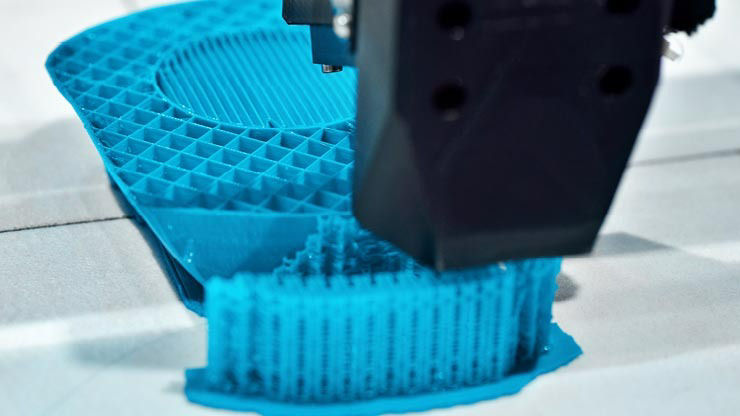
SBCs can be injection molded, extruded, extrusion blow molded and 3D printed. This, alongside with their great performance characteristics, makes them an excellent material choice for a broad range of applications in many industries.
The ability to melt and remold SBCs allows for recycling and enables low-waste processing.
SBCs vs. other materials
SBCs are thermoplastic elastomers without crosslinks, unlike silicone, EPDM and natural rubbers. However, SBCs display elastic properties due to their molecular structure.
A brief history of styrenic block copolymers
In 1962, one of the first patents of SBCs was filed by Shell USA Inc. (US3265765). In 1964, styrene-butadiene-styrene triblock copolymers (SBS) were manufactured at Shell’s pilot plant, and the following year commercialized by Shell. The first customer of SBS was Scotty Shoes, a footwear manufacturer in Massachusetts. In 1964, one of the first patents of hydrogenated styrenic block copolymers (HSBCs) was also filed (US3431323). In the late 1960s, HSBCs became available on a commercial scale.
How it’s made
SBCs are made by anionic polymerization, a versatile and powerful technique for the synthesis of polymers with well-designed structures and tailored material properties.
Types of SBCs
There are 2 categories of SBCs:
- Unhydrogenated/non-hydrogenated styrenic block copolymers (USBCs)
- Hydrogenated styrenic block copolymers (HSBCs)
What are USBCs?
Unhydrogenated/non-hydrogenated styrenic block copolymers (USBCs) consist of styrene and diene monomer units arranged in a block-like structure. The diene block can be polybutadiene (PB) or polyisoprene (PI). USBCs have not undergone any hydrogenation process, so they retain their unsaturated diene block.
This makes them more reactive compared to their hydrogenated counterparts, so they can be further customized through chemical reactions such as crosslinking or functionalization. They display excellent elastomeric properties and lower processing costs compared to HSBCs.
However, due to the unsaturated diene and the susceptibility to degradation, they have lower thermal stability, reduced chemical resistance and they are more susceptible to aging. USBCs are more prone to developing a yellowish tint over time, which may not be critical for some applications, but problematic for others – such as packaging and medical, where transparent TPEs are preferred.
Types of USBCs
| Abbr. | Molecular structure | Products from Kuraray |
|---|---|---|
| SBS | Styrene-butadiene-styrene block copolymer | N/A |
| SIS | Styrene-isoprene-styrene block copolymer | N/A |
| V-SIS | Vinyl-bond rich styrene-isoprene-styrene block copolymer | HYBRAR™ 5000-series |
What are HSBCs?
Hydrogenated styrenic block copolymers (HSBCs) undergo a hydrogenation process, which adds hydrogen to chemically saturate previously unsaturated bonds in the diene block. This converts the diene block into a saturated block, such as ethylene/butylene (EB), ethylene/propylene (EP), and ethylene/ethylene/propylene (EEP).
As a result, HSBCs have improved thermal stability, durability, weathering resistance, chemical resistance and UV resistance compared to USBCs. They also undergo significantly less yellowing. They may be the better material choice for particularly demanding applications in industries such as automotive, electronics and medical.
Due to the additional hydrogenation step, HSBCs may exhibit higher processing costs compared to USBCs. Once hydrogenated, SBCs have reduced reactivity, which limits the availability of further chemical modification or crosslinking options.
Types of HSBCs
| Abbr. | Molecular structure | Products from Kuraray |
|---|---|---|
| SEP | Styrene-ethylene/propylene block copolymer | SEPTON™ 1000-series |
| SEPS | Styrene-ethylene/propylene-styrene block copolymer | SEPTON™ 2000-series |
| SEEPS | Styrene-ethylene/ethylene/propylene-styrene block copolymer | SEPTON™ 4000-series |
| SEBS | Styrene-ethylene/butylene-styrene block copolymer | SEPTON™ 8000-series |
| V-SEPS | Vinyl-bond rich SEPS | HYBRAR™ 7125F |
| V-SEEPS | Vinyl-bond rich SEEPS | HYBRAR™ 7311F |
| Specialty Grades | SEPTON™ V-series SEPTON™ J-series SEPTON™ Q-series SEPTON™ BIO-series |
Applications of SBCs





Discover SBCs from Kuraray
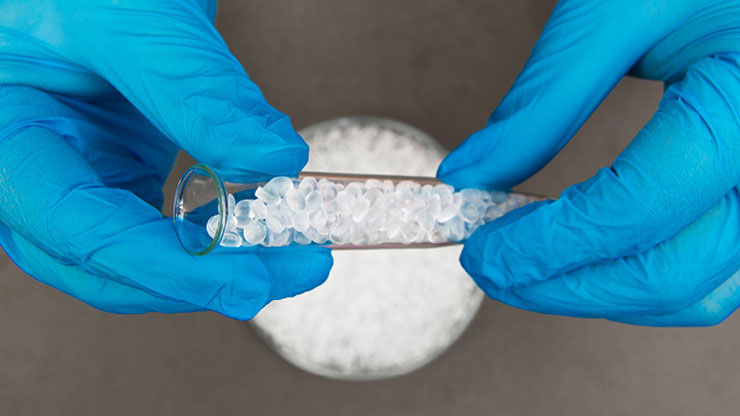
Medical grade SBCs
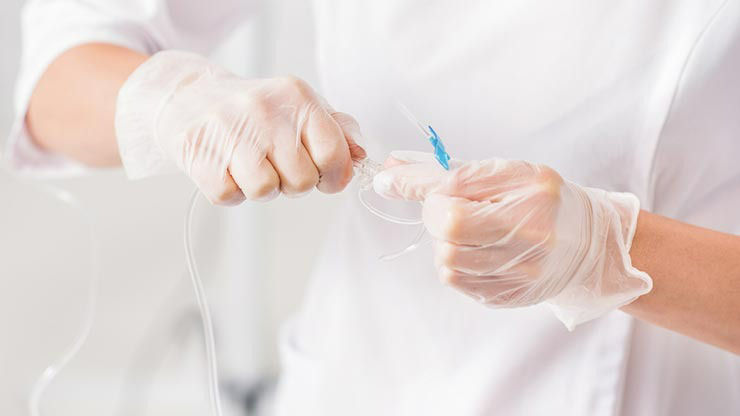
Certain grades of SBCs pass regulatory requirements and are certified for medical applications in different uses (e.g. skin contact, blood contact, etc.).
For more information, please visit our page on medical grade TPEs or contact us. Our experts are happy to advise you.
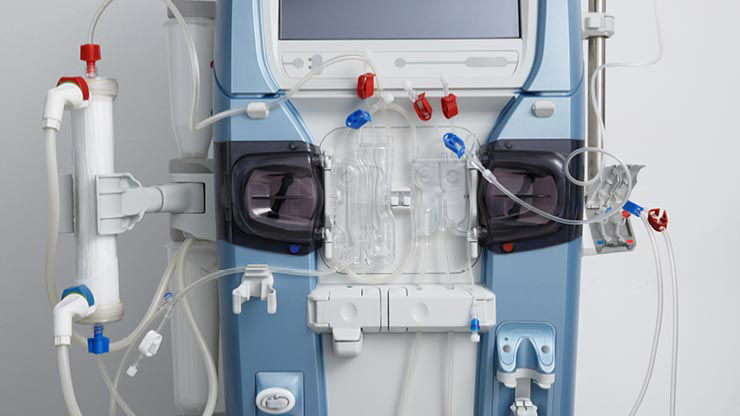
Elastomers in medical devices and tubing
SBCs in hot-melt adhesives
Hot-melt adhesives are another common application for SBCs. SBCs are an essential component in providing adhesive properties. Kuraray offers materials with excellent processability and performance characteristics.
Additional resources on hot-melt adhesives can be found here:
SBCs used for polymer modification
SBCs provide broad versatility, allowing customers to tailor their polymers for specific applications across a wide range of industries. From automotive components to packaging materials, construction products to consumer goods, SBCs have proven their worth in countless innovative solutions.
By incorporating SBCs into polymer blends, customers can enhance the lifespan and durability of products, reducing the need for frequent replacements and minimizing waste. SBCs can be useful as a modifier for polypropylene (PP), polyethylene (PE), polystyrene (PS), polycarbonate (PC), acrylonitrile-butadiene-styrene resins (ABS), and polyphenylene ether (PPE).
The improved impact resistance and flexibility provided by SBCs contribute to longer-lasting, more durable products resulting in reduced environmental impact.
SBCs also enable the creation of lightweight yet strong polymer solutions reducing the overall material consumption and carbon footprint. Their versatility allows for optimized processing characteristics by reducing energy consumption during the manufacturing processes. Learn more about SBCs as polymer modifiers.
SBCs used as viscosity index improvers
When it comes to achieving precise viscosity profiles, SBCs excel as highly efficient and versatile viscosity modifiers. These polymers have the ability to significantly change the viscosity of lubricant oils at low concentrations, providing exceptional thickening capabilities.
One of the standout features of SBCs is their shear stability, ensuring that the viscosity remains consistent across a range of various shear conditions and temperatures. This makes them ideal for applications involving intense mechanical forces where stability and reliable flow control are crucial. Learn more about SBCs as viscosity index improvers.
